
Safe Footwear Doesn’t Have to Look “Medical”
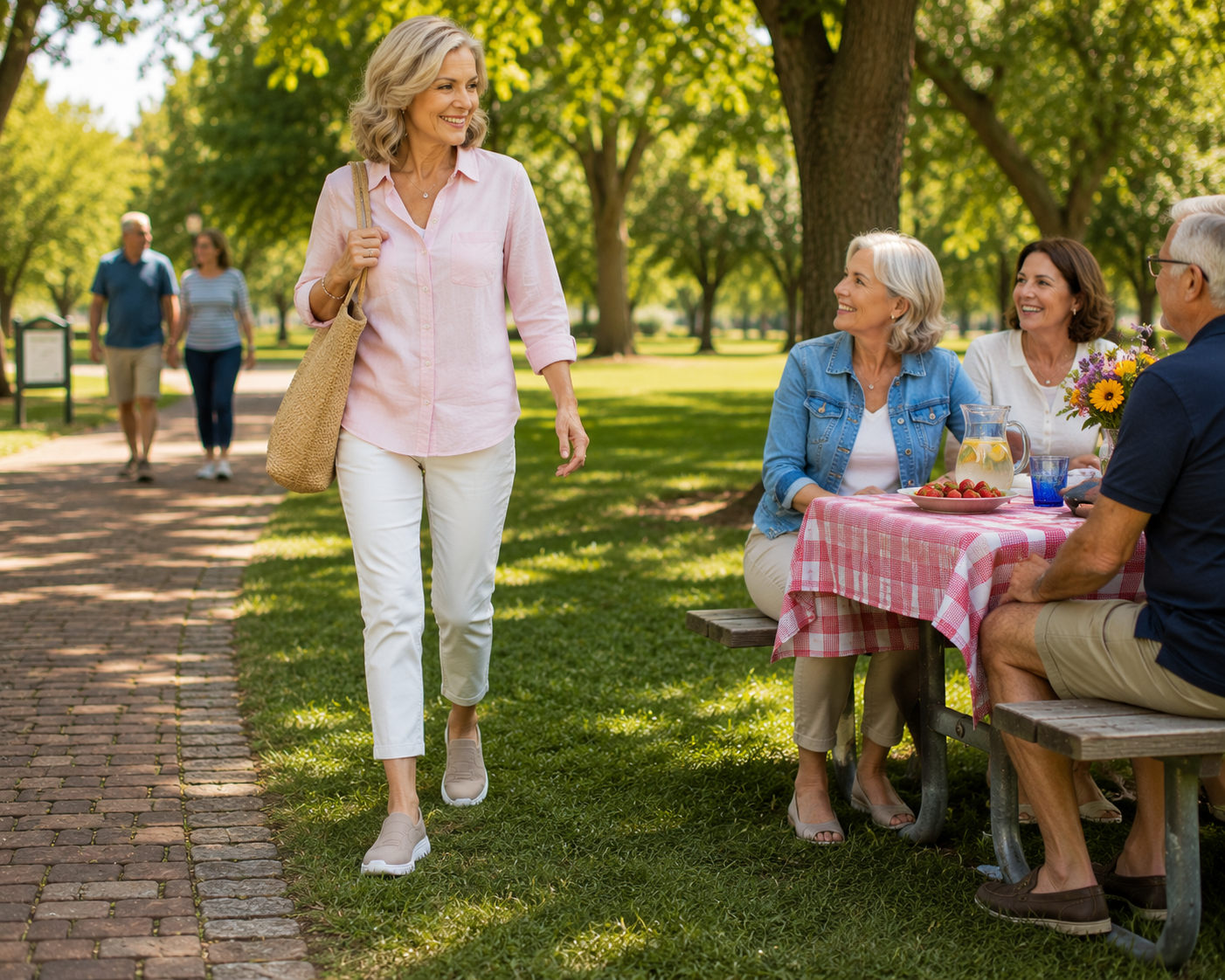
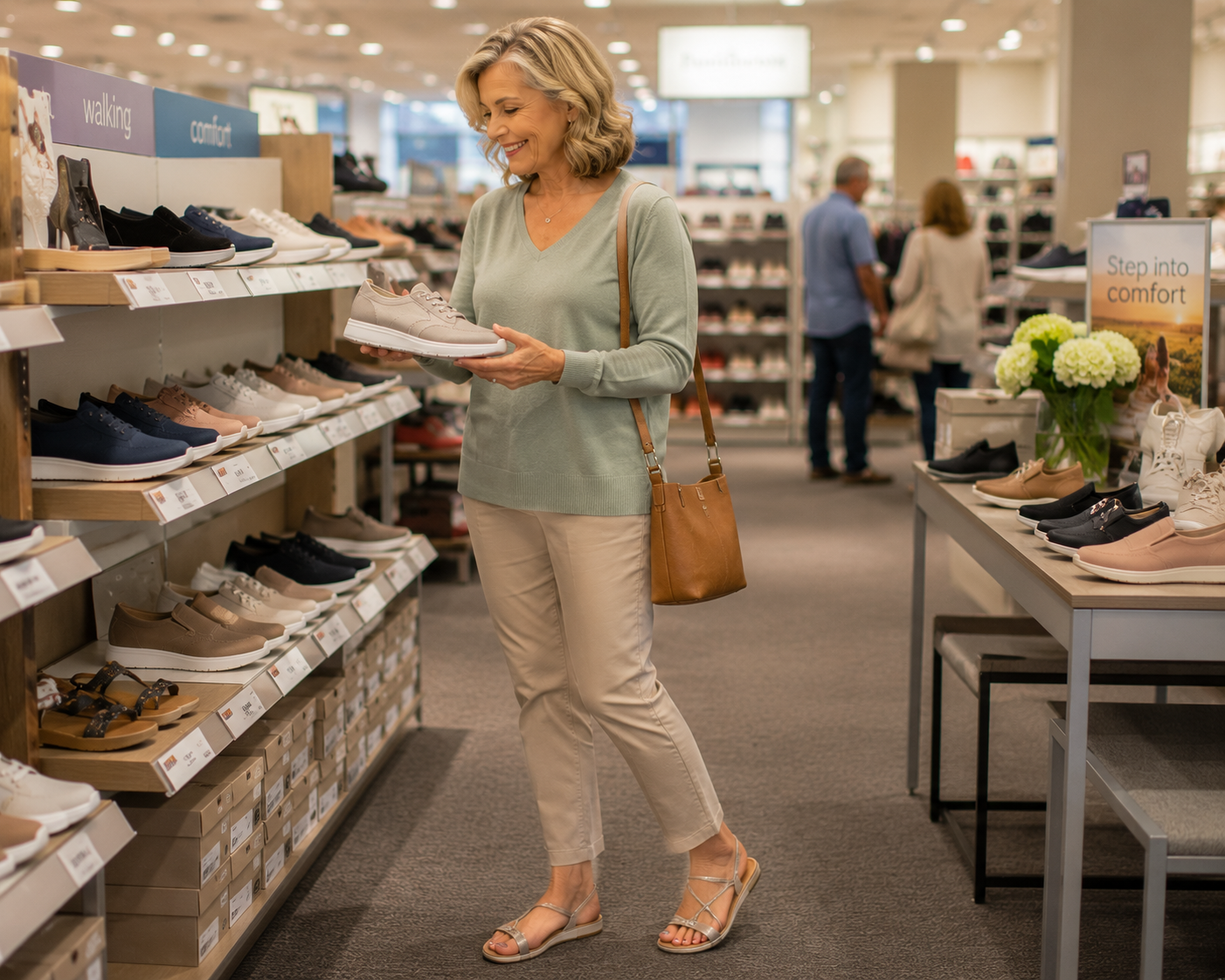
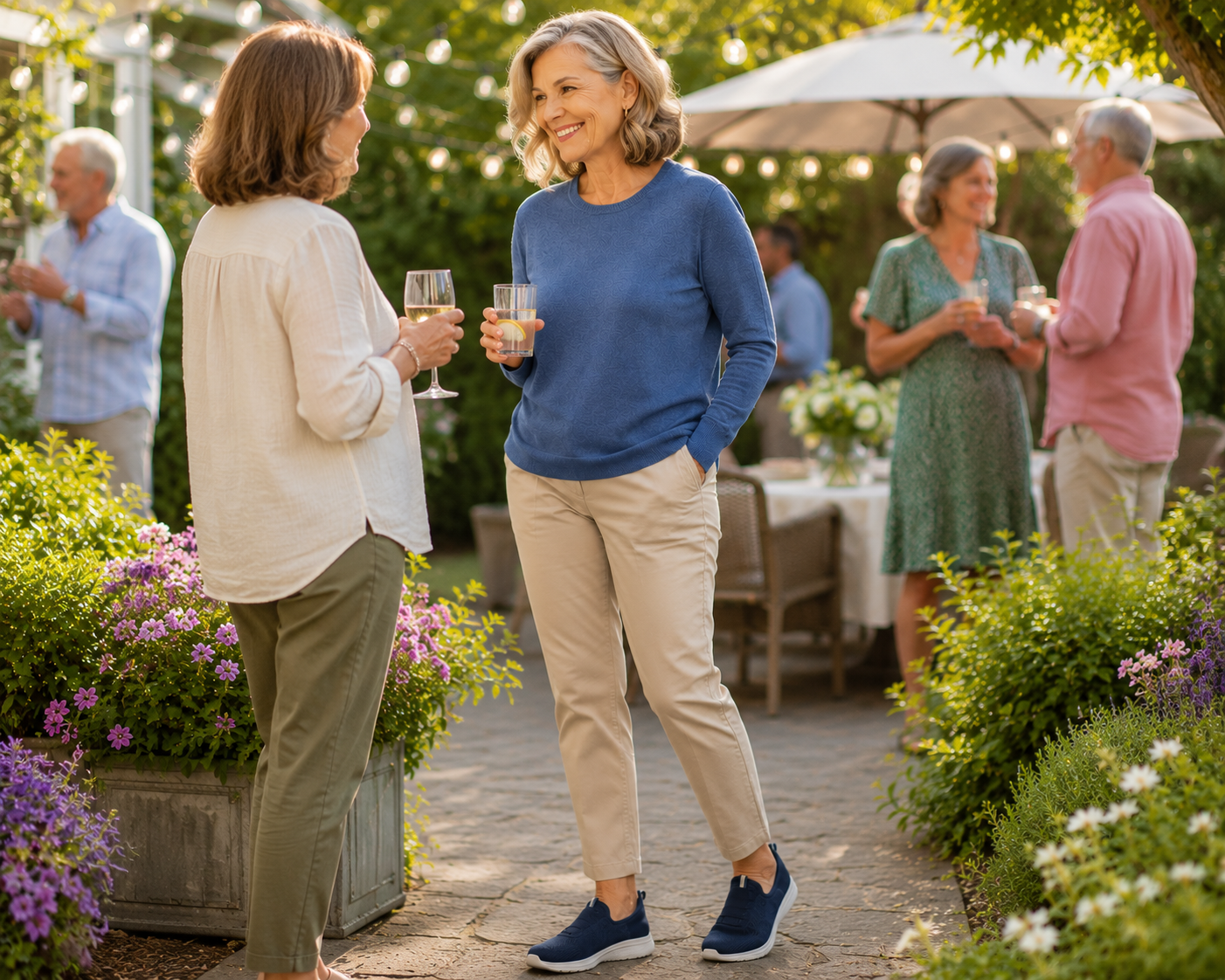
One of the subtle things many families notice as parents age is a gradual change in footwear. Shoes that once offered support and stability are often replaced with options that are simply easier to put on and take off.
And honestly, that makes sense.
For many older adults, bending over becomes more difficult. Arthritis can make tying shoes frustrating. Swelling changes foot size throughout the day. Neuropathy may reduce sensation in the feet. Convenience starts to matter a lot more than it used to.
The problem is that “easy to put on” sometimes turns into “barely staying on.”
I recently attended a graduation ceremony with a family member who has neuropathy. She wore loose sandals that shifted with nearly every step, and you could immediately see how unstable they made her feel walking across uneven ground.
It’s a common issue, and one families often overlook until a stumble or fall gets everyone’s attention.
The good news is that supportive footwear has changed dramatically over the last several years. Today’s options are not limited to bulky white walking shoes or obvious “orthopedic” styles. In fact, many newer shoes are specifically designed to combine comfort, stability, and modern appearance.
Older adults no longer have to choose between independence, safety, and looking put together.
Many newer “hands-free” shoes are designed to be stepped into without bending over, while still providing secure heel support and slip-resistant soles.
Brands like Skechers, Kizik, and Nike have developed styles that look surprisingly modern while offering far more stability than traditional backless slippers or loose sandals.
I’ve also become a big fan of OluKai shoes. Many of their styles are easy to slip on, but still have structured soles, secure support, and a clean casual appearance that doesn’t immediately scream “comfort shoe.”
For others, walking shoes with Velcro or hook-and-loop closures can still be an excellent option, especially for people dealing with swelling or limited hand strength. Companies like New Balance, Orthofeet, and Propet now offer much more attractive and understated styles than many people expect.
A few simple things families can watch for:
- Sandals or slippers without heel support
- Shoes that slide or shuffle while walking
- Soles that are smooth or unevenly worn
- Shoes that have become compressed or tilted to one side
- Oversized shoes chosen for “comfort”
One useful trick is to place the shoes on a table and look at them from behind. If the heels lean inward or appear uneven, the shoes may actually be affecting balance and posture more than anyone realizes.
This becomes even more important for people living with neuropathy. When the feet lose sensation, the body receives less feedback about how it’s contacting the ground. Secure, supportive footwear can help compensate for that loss of awareness.
Good footwear will never prevent every fall. But the right shoes can improve confidence, reduce fatigue, and make everyday movement safer and more comfortable, without sacrificing personal style in the process.
Sometimes the smallest changes in daily life make the biggest difference in helping someone maintain their independence.