The Signs Families Often Miss as Parents Age

One of the most common calls we receive starts the same way:

“Mom fell.”

A fall, hospitalization, or close call often becomes the moment when families realize something bigger has been happening.

In the chaos that follows, they begin noticing things they had not seen before:

      • unopened mail piling up
      • expired food in the fridge
      • missed medications
      • clutter or neglected chores
      • bruises or mobility changes
      • missed appointments or growing confusion about healthcare

Suddenly, what seemed like a single accident begins to reveal a larger pattern.

If this has happened in your family, you are not alone.

Why the Signs Are Easy to Miss

The truth is that age-related challenges rarely begin with one dramatic event; They often happen gradually over time.

In hindsight, families often say: “Looking back, the signs were there.”

That does not mean anyone failed. It means life happened:

      • Adult children are often balancing careers, children, and households of their own.
      • Some live out of town.
      • Visits may focus on conversation rather than the details of daily life.

And sometimes aging parents work hard to hide their struggles.

      • They may feel embarrassed.
      • They may fear losing independence.
      • They may not want to burden their family.
      • Sometimes a spouse quietly compensates and covers for them out of love or loyalty.

Common Signs an Aging Parent May Need Help

Not every warning sign is dramatic. Often, the earliest clues are subtle.

Physical Signs

You may notice:

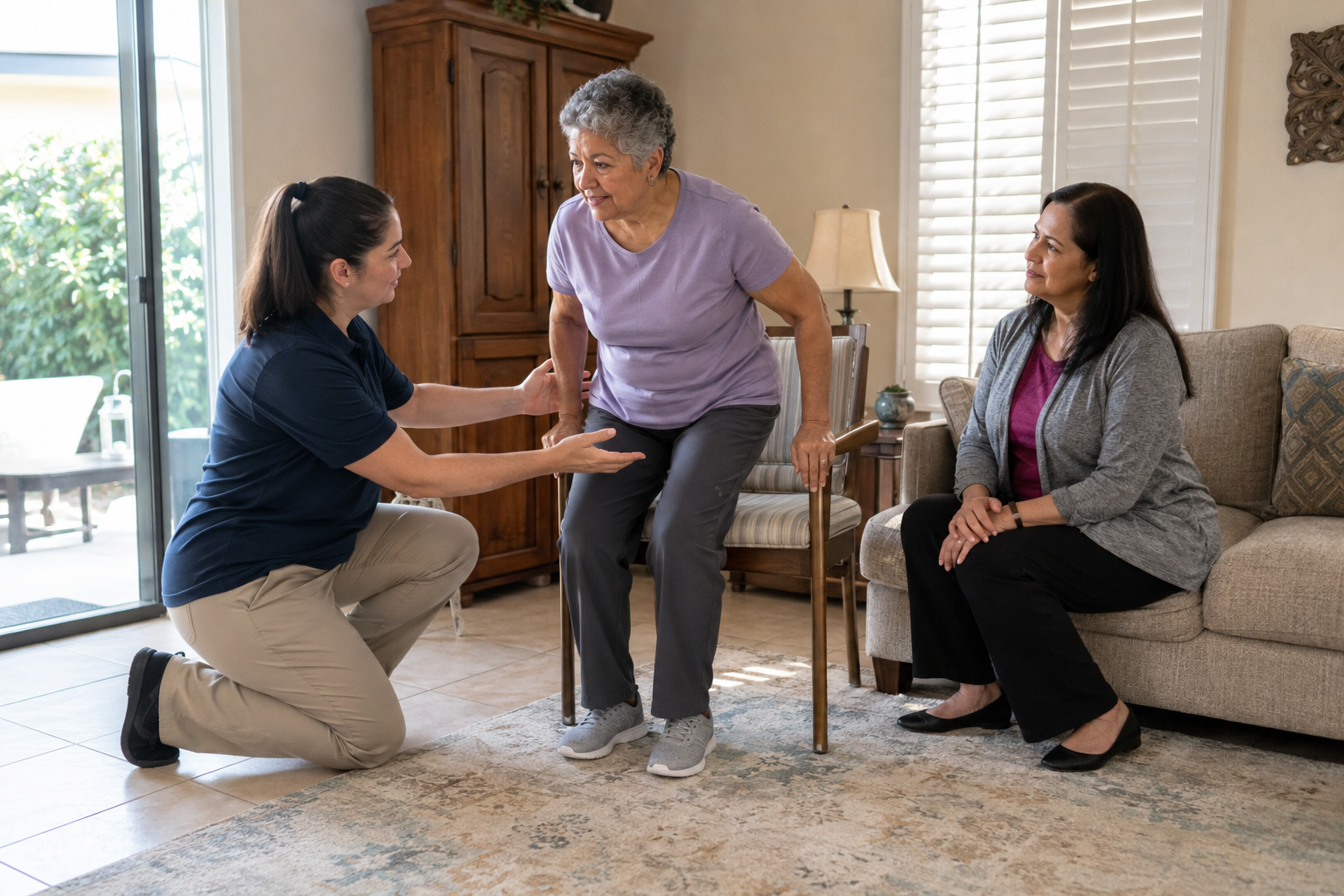
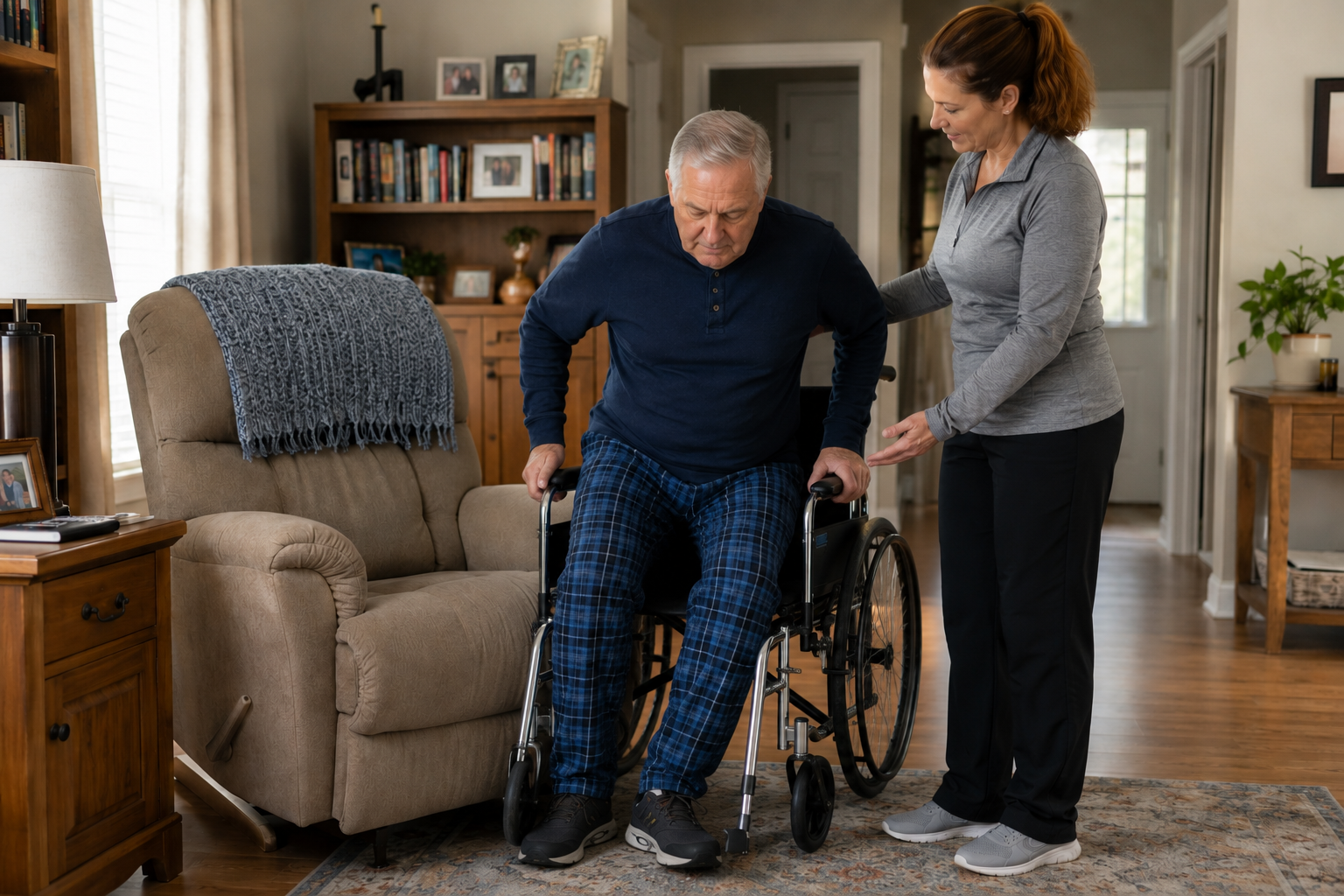
      • slower walking
      • difficulty standing up
      • holding onto furniture for balance
      • unexplained bruises
      • more “close calls” or near-falls

Signs Around the Home

Daily life may begin to slip. Watch for:

      • clutter or laundry piling up
      • spoiled or missing groceries
      • unpaid bills
      • unopened mail
      • poor housekeeping

Healthcare and Medication Struggles

One of the most overlooked challenges is healthcare complexity. Managing multiple doctors, specialists, prescriptions, referrals, and changing instructions can become overwhelming even for highly capable seniors. Watch for:

      • missed appointments
      • confusion about medications
      • outdated medication lists
      • missed refills
      • forgotten follow-ups or lab work

What Families Can Do Before a Crisis Happens

The good news is that small changes can make a big difference. The earlier families notice changes, the more options they have. Practical ways to help include:

Attend Appointments Together. A second set of ears can help catch important details and track next steps.

Create a Shared Calendar. Keep appointments, medications, and reminders in one place.

Organize Medications. A weekly or monthly pill organizer can reduce missed or duplicate doses.

Improve Safety at Home. Simple changes like grab bars, better lighting, and removing tripping hazards can reduce fall risk.

Ask Better Questions. Instead of asking, “How are you?” Try asking:

      • “What feels harder than it used to?”
      • “Have there been any close calls lately?”
      • “Is there anything becoming difficult to keep up with?”

The Goal Is Not to Take Away Independence

The goal is to preserve it.

Awareness, honest conversations, and timely action can help families protect safety, dignity, and independence long before a crisis occurs.

If you are noticing changes in a loved one and are unsure what to do next, start by paying attention and having the conversation.

And if you need guidance, the team at Caregiver To You is always here as a resource.

Safe Footwear Doesn’t Have to Look “Medical”

One of the subtle things many families notice as parents age is a gradual change in footwear. Shoes that once offered support and stability are often replaced with options that are simply easier to put on and take off.


And honestly, that makes sense.


For many older adults, bending over becomes more difficult. Arthritis can make tying shoes frustrating. Swelling changes foot size throughout the day. Neuropathy may reduce sensation in the feet. Convenience starts to matter a lot more than it used to.


The problem is that “easy to put on” sometimes turns into “barely staying on.”


I recently attended a graduation ceremony with a family member who has neuropathy. She wore loose sandals that shifted with nearly every step, and you could immediately see how unstable they made her feel walking across uneven ground.


It’s a common issue, and one families often overlook until a stumble or fall gets everyone’s attention.


The good news is that supportive footwear has changed dramatically over the last several years. Today’s options are not limited to bulky white walking shoes or obvious “orthopedic” styles. In fact, many newer shoes are specifically designed to combine comfort, stability, and modern appearance.


Older adults no longer have to choose between independence, safety, and looking put together.


Many newer “hands-free” shoes are designed to be stepped into without bending over, while still providing secure heel support and slip-resistant soles. 

Brands like Skechers, Kizik, and Nike have developed styles that look surprisingly modern while offering far more stability than traditional backless slippers or loose sandals.


I’ve also become a big fan of OluKai shoes. Many of their styles are easy to slip on, but still have structured soles, secure support, and a clean casual appearance that doesn’t immediately scream “comfort shoe.”


For others, walking shoes with Velcro or hook-and-loop closures can still be an excellent option, especially for people dealing with swelling or limited hand strength. Companies like New Balance, Orthofeet, and Propet now offer much more attractive and understated styles than many people expect.


A few simple things families can watch for:

  • Sandals or slippers without heel support
  • Shoes that slide or shuffle while walking
  • Soles that are smooth or unevenly worn
  • Shoes that have become compressed or tilted to one side
  • Oversized shoes chosen for “comfort”

One useful trick is to place the shoes on a table and look at them from behind. If the heels lean inward or appear uneven, the shoes may actually be affecting balance and posture more than anyone realizes.


This becomes even more important for people living with neuropathy. When the feet lose sensation, the body receives less feedback about how it’s contacting the ground. Secure, supportive footwear can help compensate for that loss of awareness.


Good footwear will never prevent every fall. But the right shoes can improve confidence, reduce fatigue, and make everyday movement safer and more comfortable, without sacrificing personal style in the process.


Sometimes the smallest changes in daily life make the biggest difference in helping someone maintain their independence.

Talking To Siblings About A Parent’s Care Needs


It’s common to have anxieties as families begin to explore home care options for their parents. Talking with your siblings and loved ones about the need for care is important but can also bring up a lot of emotions as this is a highly sensitive topic. Addressing these challenges in a calm, informed and empathetic way will help make the transition and ongoing discussions easier for everyone involved.


Here are a few recommendations we suggest:


1: Avoid blindsiding your sibling(s) by being clear and upfront about the topic you wish to discuss.

  • Schedule a day and time to meet, preferably in person, as the non-verbal communication that takes place is an important aspect. Therefore, trying to make these decisions via phone, email or text is not recommended. Also, be mindful of the location. Pick a place where you can have privacy but also is not threatening or triggering.

2: As you prepare for the meeting, gather documentation that you feel will help support your reason for your parents need and plan for care.

  • You do not want this conversation to turn into an argument, so being prepared with clear evidence and in a ‘matter-of-fact’ way can help the conversation from turning purely emotional.

3: When you meet, try to find common ground with your sibling(s).

  • Is there something you can agree on? Of course there is: you love and care for your parent(s). Therefore, having this discussion should be set up in a way that you are all on the same team effort, not a battle.
  • Diffuse defensiveness by using “I statements.” Clearly explain the situation from your perspective and without ‘pointing fingers’ and placing blame on others. If you notice yourself starting a sentence with “You said” or “You did/didn’t,” then take a moment to pause and rephrase your thought with as “I statement.” For example “I feel” or “I need.”
  • Be respectful, open minded, and repeat back what you hear the other person saying for clarifying purposes and also to show your attentiveness. How we present our thoughts and feelings makes a difference in the direction and effectiveness of a conversation.

4: There should be a goal for the meeting that is clearly stated. This way concrete accomplishments are set and worked on and everyone has a clear understanding of next steps.

  • Assigning specific tasks and goals and setting dates to accomplish needs will help to keep things progressing in a positive direction and provide some purpose and feelings of achievement for everyone involved. Often an important conversation is started and then left without further discussion or action. Keep the momentum going and be proactive and goal oriented as much as possible.

5: Remember that each family, each situation, and each family dynamic are unique. You’ll need to do what’s right for your family.

  • The amount of involvement your parent will/should have in the decision on their care should also be considered.
  • It’s normal to seek help and support in all healthy functioning relationships, so as much as becoming vulnerable and admitting help is needed can be difficult, it can also be so relieving and fulfilling to commit to this approach.

6: Finally, be mindful of any specific family dynamics that might attempt to play out in an unhealthy way. Avoid falling into childhood roles and holding on to grudges.

  • Approached these conversations from the perspective that you are all on the same side, even when you don’t feel like it, you are all striving towards the common goal of the best possible care for your loved one(s).

The sooner you start these conversations, the sooner you can make a decision and begin getting get the help you and your loved one deserve. If you need a place to turn for suggestions, call the team at Caregiver To You; we’re ready to help.


Self-Care Tips for Caregivers


Nurses. Teachers. Even fast food workers. All of these people are considered at high-risk for job-related burnout. But Caregivers are seldom mentioned on these lists. Since most Caregivers are Family Caregivers, they aren’t paid, so burnout statistics aren’t readily available.


But paid or not, Caregiving is a job. And it’s one that comes at an incredible personal toll to all who have made a lifestyle of it. Hopefully more recognition, like the President’s Proclamation that November 2021 is National Family Caregiver Month, will elevate the plight of Caregivers and provide more resources to those providing care.


In the meantime, we’ll elaborate on the 10 tips from one of our favorite resources: The Caregiver Action Network https://www.caregiveraction.org/resources/10-tips-family-caregivers


  • Seek support from other caregivers. You are not alone!
  • Finding a local support groups is a great opportunity to connect and identify with others who are experiencing many of the same challenges. Check out the resources provided by Valley Caregiver Resource Center, or a resource center in another community supported by the Family Caregiver Alliance
  • Take care of your own health so that you can be strong enough to take care of your loved one.
  • When a lifeguard enters the water, they are trained to make their own safety first priority, because if the lifeguard becomes incapacitated, who saves them both? Caregivers must take the same approach.
  • Take care of your health and personal care needs by keeping regular doctor’s appointments, getting your flu shot and other vaccinations, and exercising regularly. Talking to others and spending at least a few minutes outside each day can also help relieve stress.
  • “To avoid burnout, Dr. Albert Einstein sat in a tub and watched the bubbles. No one could talk to him. He was thinking and watching the bubbles. To reduce your risk of burnout, take a few minutes every day to have quiet. Even three minutes a day will make a difference.” Dr. Mary Donohue, Founder of The Digital Wellness Center
  • Accept offers of help and suggest specific things people can do to help you.
  • The key word here is SPECIFIC!
  • Have you ever said to someone “If there’s anything I can do, let me know.” And did they let you know? They usually don’t. But people who say this usually DO want to help, they just don’t know how!
  • Accept offers of help by giving specific tasks, like covering while you run to a specific appointment, picking up a specific list of necessities, or cooking a specific


  • Learn how to communicate effectively with doctors.
  • This video from the Caregiver Action Network explains specific recommendations, like
    • How to keep track of a the care team
    • How to communicate effectively
    • Keeping a current medications list
    • What questions to ask regarding insurance and billing
  • Caregiving is hard work so take respite breaks often.
  • Skipping over your own health appointments and self-care needs doesn’t help anyone. Respite Care Services can be arranged by Caregiver To You (LINK), Valley Caregiver Resource Center, or for income-eligible individuals in some counties, by an In-Home Support Services (IHSS) program.


  • Watch out for signs of depression and don’t delay getting professional help when you need it.
  • WebMD and the Mayo Clinic have excellent articles to help identify the causes of Caregiver Depression and possible solutions, but if you are experiencing signs of depression, it might be time to reach out to your physician. According to WebMD, if any of the following symptoms are severe or last for more than 2 weeks, it’s time to get help:
    • Feeling empty, hopeless, or run down
    • Little interest in activities you once enjoyed
    • Irritable
    • Trouble concentrating
    • Weight loss or gain
    • Changes in your sleep pattern


  • Be open to new technologies that can help you care for your loved one.
  • There are multiple ways in which technology can simplify your job as a Caregiver. Here are some of the best tools you should consider:
    • TeleVisit Options for an appointment with the doctor or Caregiver To You.
    • Home Automation Tools like a Ring doorbell, door locks and surveillance cameras with motion detection.
    • Emergency Response Systems like Amazon’s Alexa Together or Aloe Care Health
    • Motion Sensing Tech from an Alarm Service like Ring or a standalone chime or device.
    • Medication Reminders or Dispensers
    • GPS Devices – Check out this list of recommendations from the Senior Link Blog.


  • Organize medical information so it’s up to date and easy to find.
  • Our experience is that the most important document to keep handy for all appointments is a current list of medications that includes the dose and frequency of administration
  • It’s also helpful to keep a single list of health care providers, or to have a business card holder to keep track of the contact information for your current health care providers.
  • Make sure legal documents are in order.
  • Which documents you need will vary from person to person, but the following documents should be in order for anyone who has or needs them:
    • Power of Attorney
    • Advanced Medical Directive
    • Will and/or Trust Documents
    • Insurance Policies
    • Social Security Payment Information
  • Give yourself credit for doing the best you can in one of the toughest jobs there is!
  • Paid or not, Caregiving is hard work, and one of the most noble choices any individual can make. Caregiving is worthy of respect, and you should take price in your role as a Caregiver. Thank you for what you do.


Caregiving: Meaningful Work With Real Flexibility

Caregiving is more than a job. The best caregivers are people who notice when someone needs help — and step forward.

At Caregiver To You, we believe caregiving attracts dependable, compassionate people who want their work to matter. Every day, caregivers help older adults and people with disabilities remain safer, more comfortable, and more independent at home. That kind of work is personal. It requires patience, trust, good judgment, and heart.

It also offers something many workers are looking for: flexibility.

Flexibility in where you work

In home care, your workplace is not limited to one building or one office. Caregivers provide support in clients’ homes throughout the community. That means you may have opportunities to work closer to home, closer to school, or in areas that fit better with your daily life.

Caregivers can also choose which assignments they are willing to accept. Not every client, location, or schedule is the right fit for every person, and that is okay. A good home care organization works to match caregivers with clients in a way that supports both the client’s needs and the caregiver’s strengths.

Flexibility in when you work

Care is needed at many different times: mornings, afternoons, evenings, weekends, and sometimes overnight. For caregivers, that can create real scheduling options.

Some caregivers are looking for full-time work. Others want part-time hours while going to school, caring for family, or working around another job. While every assignment depends on client needs and availability, caregiving can offer a level of scheduling flexibility that many traditional jobs do not.

Flexibility in how you work

Caregiving also gives people the opportunity to do work that fits their comfort level and skills.

Some caregivers enjoy companionship, conversation, errands, meal preparation, and light housekeeping. Others are comfortable helping with personal care, mobility support, dementia care, or respite care for families. As caregivers gain experience, they can grow in confidence, take on new types of assignments, and build a career in care.

The benefit of being an employee

Independent caregiving can sound appealing at first, especially when people hear the word “flexibility.” But independent contracting comes with real responsibilities and risks.

Independent contractors are generally responsible for managing their own taxes, records, insurance, and business expenses. Self-employment taxes can also surprise people who are used to having an employer handle payroll taxes for them.

Working as an employee of a licensed Home Care Organization can offer many of the same practical benefits caregivers want — including flexible scheduling and assignment matching — while also providing the structure and protections of employment.

That matters. Employees may have access to protections such as minimum wage and overtime rules, unemployment insurance, workers’ compensation, anti-discrimination protections, payroll tax withholding, and employer contributions toward Social Security and Medicare.

In other words, you do not have to choose between meaningful work and supported work. With the right organization, you can have both.

Start a career that matters

If you are caring, dependable, and ready to make a difference, caregiving may be a great fit.

Caregiver To You can help you get started, answer your questions, and connect you with experienced caregivers who understand the work firsthand.

Caregiving is not easy work, but it is meaningful work. For the right person, it can become more than a job — it can become a calling.

“The closest thing to being cared for is to care for someone else.” — Carson McCullers